
The MGP Journal • Wedding Planning
How to Choose a Wedding Photographer in Baltimore: Beyond the Portfolio
You should love your wedding photographs. You should also feel comfortable with the person making them.
A beautiful portfolio is a good place to start. But choosing your wedding photographer means choosing someone who will be beside you during an emotional, fast-moving day—sometimes giving direction, sometimes stepping back, and always paying attention.
Whether you’re planning a Baltimore celebration, a wedding elsewhere in Maryland, or a day in DC or Northern Virginia, these are the things I would encourage you to look at before making your decision.
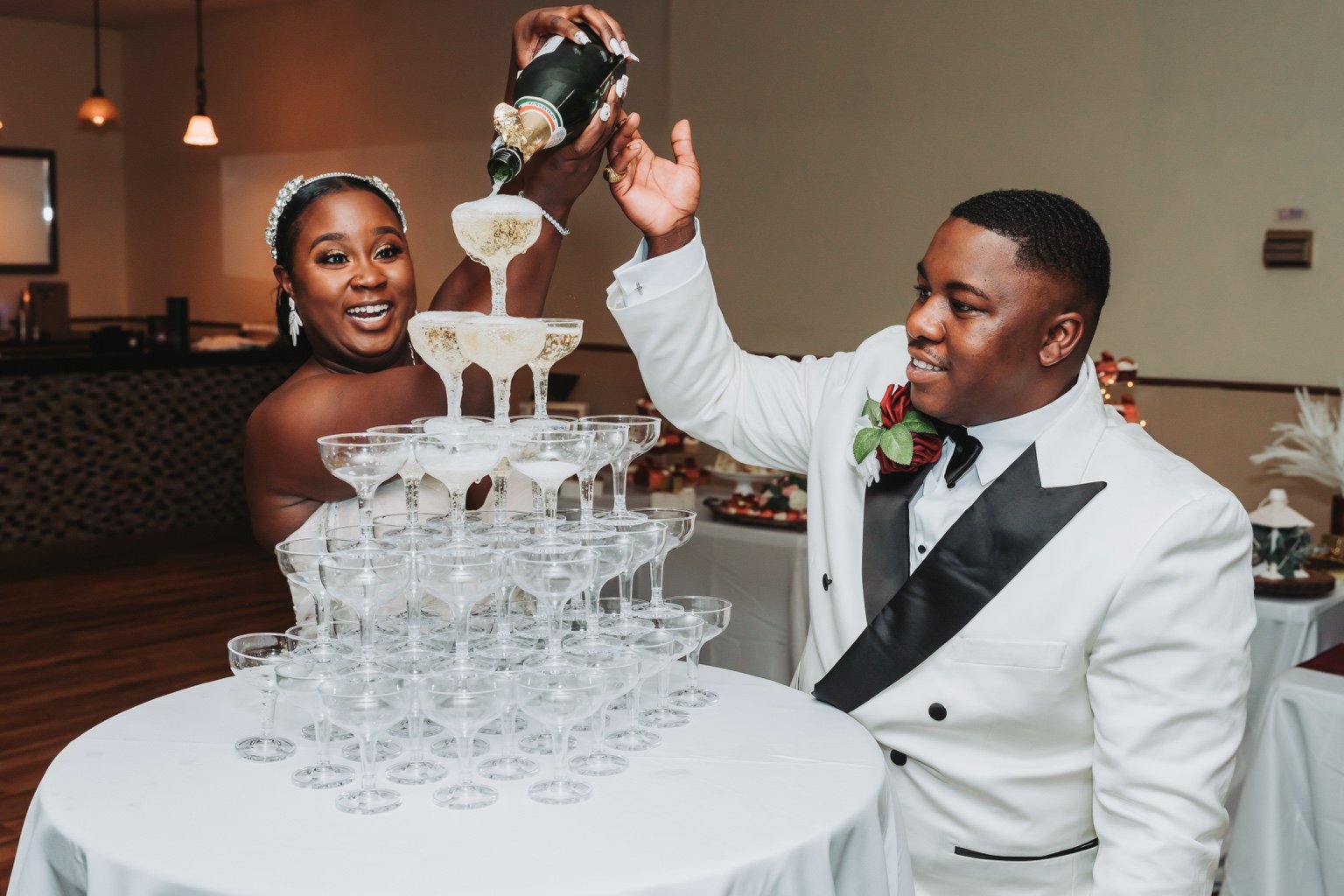
Your decision at a glance
Five things to compare before booking
- 01 · THE PHOTOGRAPHSLove the whole story
Review a complete gallery, from the ceremony to the final celebration. Look for consistency beyond the standout portraits.
- 02 · THE CONNECTIONFeel comfortable being you
Look for thoughtful listening and clear direction so you can enjoy your day without wondering what to do in front of the camera.
- 03 · THE COVERAGEProtect your favorite moments
Match the coverage to your priorities, travel and timeline—from quiet family moments to the energy of the dance floor.
- 04 · THE VALUEKnow what you’re receiving
Compare the photographs, films, guidance and deliverables included in each proposal, alongside the total investment.
- 05 · THE DETAILSGet the plan in writing
Confirm payment terms, delivery, backup arrangements and additional coverage before signing your agreement.
1. Look at a whole wedding, not just a highlight reel
The photographs that stop you scrolling matter. So do the ones made in a dim ceremony space, during a crowded reception, and in the few minutes between planned events.
Ask to see a complete delivered gallery. If possible, request one with conditions similar to your plans: an indoor ceremony, an evening reception, or portraits with limited time outside.
Look for a consistent feeling across the day. Do skin tones look natural? Can you follow the story? Are there photographs of the guests and meaningful details as well as the couple? Do the quieter moments receive the same care as the big ones?
You don’t need to judge camera settings. You’re looking for confidence in the complete result.
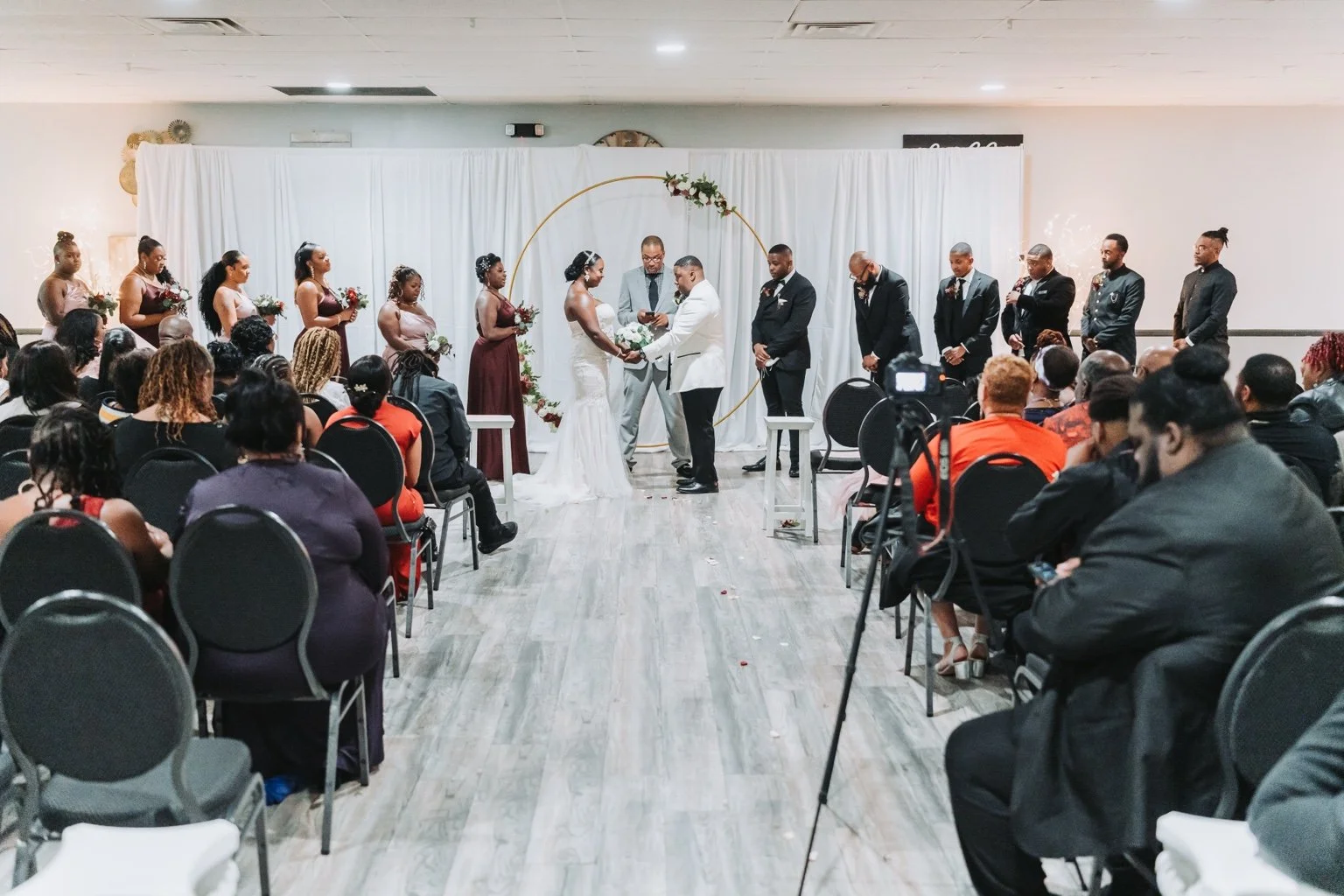
2. Find the style you want to live with
Words like editorial, documentary and cinematic appear everywhere. The useful question is what those words mean in the photographs you’ll receive.
- Editorial portraits use intentional direction, composition and attention to detail. Think of portraits that feel polished while still looking like you.
- Documentary moments preserve what unfolds: a parent’s expression, a spontaneous laugh, the way your guests gather around you.
- Cinematic imagery brings attention to light, atmosphere and the feeling of a scene. Look at examples to see whether the photographer’s interpretation matches yours.
My approach at Marcus Gregory Photography combines editorial portraits with documentary storytelling and a cinematic feel. I want you to have photographs you’re proud to frame and moments that bring you back to how the day felt.
As you compare portfolios, notice what repeatedly draws you in. That will tell you more than choosing a label alone.
3. Pay attention to how you feel during the conversation
“We’re awkward in front of the camera.” I hear some version of that often. You don’t need to arrive knowing how to pose.
During a consultation, ask how the photographer guides couples. Will they help you with positioning, movement and what to do with your hands? How do they keep portraits moving without making everything feel rushed?
My role is to give calm, clear direction when you need it and space when the moment needs to happen naturally. The goal is for you to spend less time wondering what to do and more time being present with each other.
Notice how the photographer listens. Your priorities should shape the conversation, whether that’s time with family, meaningful cultural traditions, portraits together or a packed dance floor.
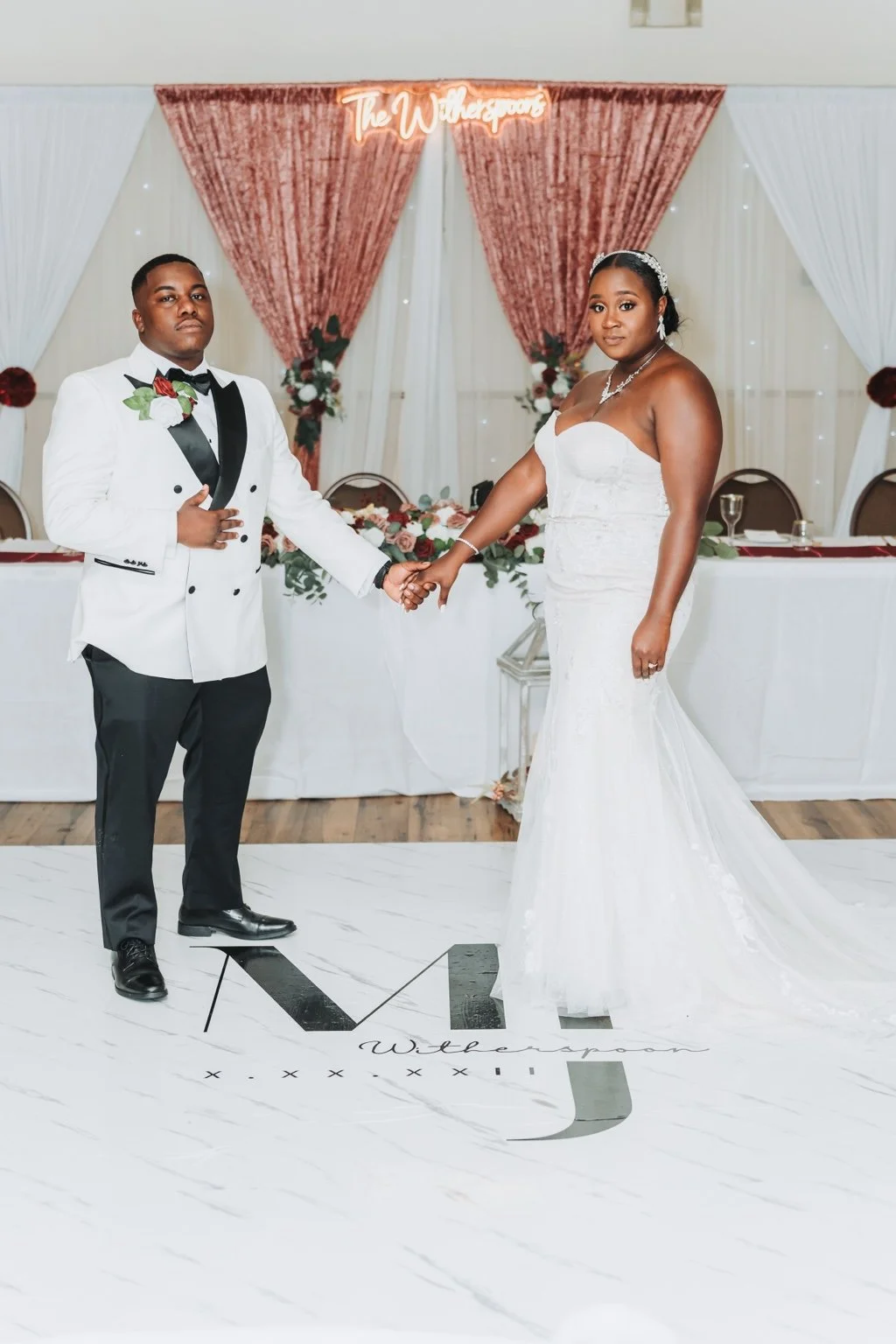
4. Build coverage around the moments that matter
Before comparing hours, write down what you want remembered. Getting ready? A first look? The ceremony? Family portraits? Toasts and dancing?
Then consider the day’s logistics. Travel between locations, a large family portrait list and venue access times can all affect the schedule. Share those details early so the coverage recommendation is based on your actual plans.
Ask which moments fit comfortably within the proposed coverage and what happens if the timeline changes. Additional coverage should have a clear price and process before the wedding.
For the investment side of planning, read our Maryland wedding photography cost guide, then explore the current photography and film collections.
5. Decide what you want photographs and film to preserve
A photograph lets you sit with a single moment. Film adds voices, movement and sound: the way your partner says your vows, the pause before a parent’s toast, the energy of the room.
If those things matter to you, discuss film while planning your photography. Ask exactly what’s included, how the team works together and which finished films you will receive.
Don’t assume every “highlight,” “hybrid” or “photo and film” offering means the same thing. Clarify whether your proposal includes a short highlight, a longer film, ceremony coverage or other specific edits.
6. Ask about preparation, backup plans and delivery
A thoughtful experience includes the work before and after the wedding. Make room for these questions:
- How will we share our timeline, family portrait list and priorities?
- Who will photograph our day, and what roles are included in the proposal?
- What happens if equipment fails or the photographer has an emergency?
- What is the plan if weather changes our portrait location?
- When will we receive the photographs and any films?
- How are the finished files delivered, and what usage rights are included?
- What are the payment, cancellation and rescheduling terms?
These questions should lead to clear answers and a written agreement. At MGP, wedding delivery is generally approximately eight weeks; your agreement should confirm the timeline and deliverables for your booking.
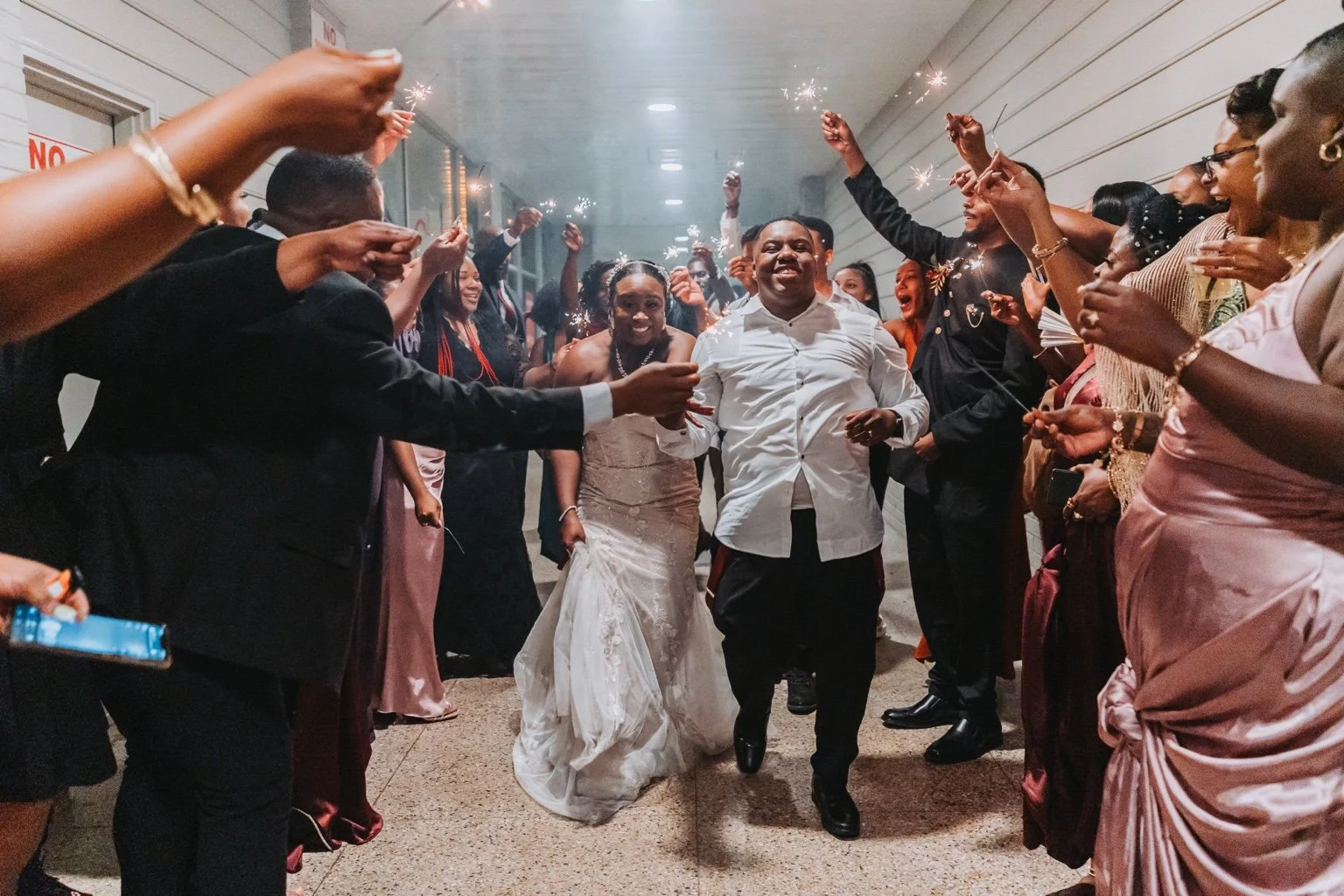
7. Compare the whole experience
Two proposals can list the same number of hours and offer very different experiences. Compare the work, the guidance, the deliverables and how clearly each photographer communicates.
Choose someone whose photographs you love, whose approach makes sense for your wedding, and whose presence helps you feel at ease. You should understand what you’re booking and feel comfortable asking questions before you commit.
A quick comparison checklist
| What to compare | What to look for |
|---|---|
| Full galleries | Consistent work across the ceremony, portraits and reception. |
| Personal connection | Clear direction, thoughtful listening and a comfortable conversation. |
| Coverage | A plan that accounts for your priorities, locations and schedule. |
| Photography and film | Specific deliverables and clear team responsibilities. |
| Booking terms | A written agreement with payment, delivery and contingency details. |
Let’s talk about your wedding
If you’re looking for cinematic wedding photography with thoughtful direction and room for real moments, I’d love to hear what you’re planning.
Send your date, venue or location, and whether you’re considering photography, film or both. I’ll review your plans, confirm availability and help you find the right fit.